
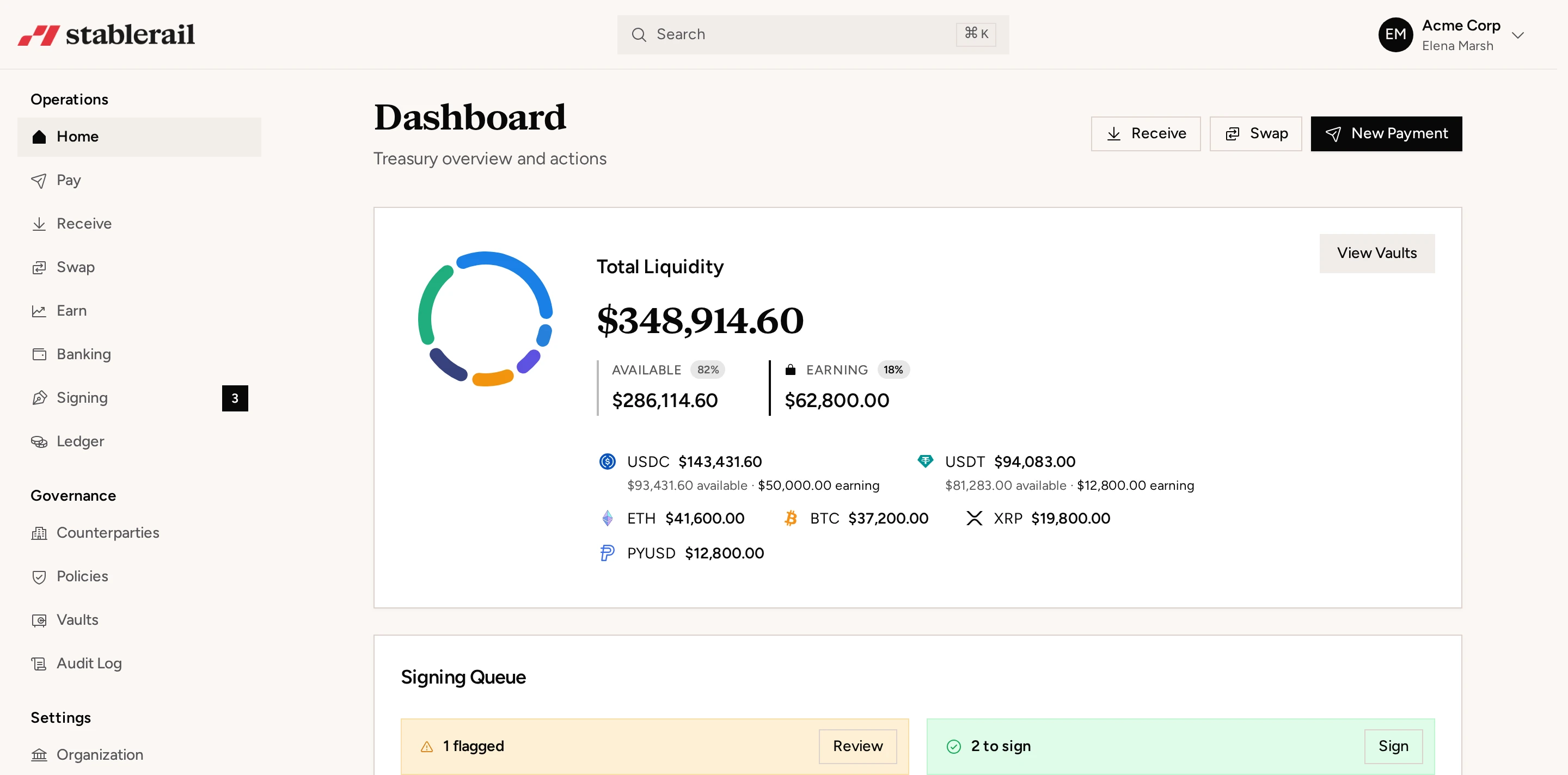
Best Practices for Intent Metadata Validation
Field-level checks, automated pre-sign validation, policy-as-code, and human review to secure stablecoin payments and audit trails.

Why Intent Metadata Matters
When a $50,000 USDC payment is made, the blockchain only records the amount and destination address - not the purpose, authorization, or policy compliance. This missing context, known as intent metadata, is crucial for explaining the "why" behind transactions. Without it, compliance gaps and audit vulnerabilities emerge.
Key Takeaways for Metadata Validation
Validation Rules: Ensure metadata like addresses, amounts, timestamps, and business context meet strict standards before transaction approval.
Automation: Use automated checks for sanctions screening, policy enforcement, and anomaly detection to reduce errors and save time.
Human Oversight: Flagged transactions require documented reviews, maintaining accountability and preventing policy violations.
Audit Trails: Log every decision, risk assessment, and transaction detail for regulatory compliance and transparency.
Policy-as-Code: Convert treasury policies into enforceable machine logic to ensure consistency and reduce manual errors.
Why It’s Important
Pre-transaction validation transforms simple payments into governed processes. With regulations like the EU AI Act imposing penalties of up to 7% of global turnover starting August 2026, proper validation is no longer optional - it’s a requirement.
Tools to Streamline the Process
Platforms like Stablerail offer pre-sign checks, policy enforcement, and detailed risk dossiers, ensuring treasury teams maintain control while adhering to compliance standards.
Setting Up Clear Validation Rules for Intent Metadata
Validation rules act as a safeguard, ensuring that every transaction is accurate before funds leave your treasury. These rules make it possible to verify that the counterparty address is correct, the payment amount matches the invoice, and the timing is appropriate for business operations. By implementing field-level checks, you can detect and address issues before any money is transferred.
The idea is simple: every piece of metadata - whether it's the wallet address, timestamp, or transaction amount - must meet specific standards. This involves enforcing formatting rules, cross-referencing against approved lists, and flagging any anomalies. Automating these checks removes the need for manual review, cutting down on errors while speeding up the process. Deterministic checks, for instance, can catch about 78% of potential threats in just 2-5 milliseconds. With these systems in place, the next step is to focus on validating the key metadata fields.
Core Metadata Fields to Validate
Certain fields are critical for ensuring that every transaction is legitimate, compliant, and easy to audit. These fields provide both the technical and business context needed to validate payments effectively.
Counterparty addresses: These require the highest level of scrutiny. A single error here could send funds to the wrong person - or worse, an attacker. Validation should confirm the address follows the correct blockchain format and matches an approved vendor list (often referred to as a "Golden Source"). If a vendor updates their address, the system should automatically flag the payment for manual review.
Transaction amounts: These dictate the necessary approval process. For example, routine payments under $5,000 might be auto-approved after passing basic checks, while larger transfers - over $100,000 - require dual approval from senior staff like the CFO. Velocity checks are also important; if a vendor typically invoices monthly but suddenly requests multiple payments in a single day, it could indicate fraud.
Timestamps: Timing is a key indicator of unusual behavior. Payments initiated outside normal business hours, on weekends, or during holidays should be flagged for further review. These controls help catch unauthorized activity, including insider threats and social engineering attempts that often exploit low-activity periods.
Currency and asset type: Transactions must align with your treasury's policies. For instance, if your company only allows USDC on Ethereum and Base, any request involving USDT on Polygon should be blocked. This ensures consistency and prevents the use of unapproved assets.
Business context fields: These include details like invoice IDs, payroll batch numbers, or vendor names, which link blockchain transactions to off-chain records. Without this information, it becomes difficult to trace payments back to their original purpose, leaving gaps in audit trails.
Metadata Field
Validation Check
Purpose
Counterparty Address
Whitelist lookup / EVM format
Prevents typos and redirection fraud
Transaction Amount
Threshold limits / Velocity checks
Ensures proper approval processes
Timestamp
Business hours / Cool-off period
Detects off-hour activity and social engineering
Currency/Asset
Permitted asset list
Enforces treasury policy compliance
Business Context
Required Invoice/Batch ID
Links on-chain transactions to off-chain purposes
Setting Up Field-Level Checks
To maintain the integrity of your treasury operations, automated field-level checks are essential. These checks validate metadata and reject incorrect data before it even enters your approval workflow.
Format validation: Technical fields must meet specific standards. For example, an Ethereum address should be 42 characters long, begin with "0x", and use only hexadecimal characters. Any address that doesn't meet these criteria should be rejected immediately. This prevents the approval of unreadable or invalid data, reducing the risk of funds being sent to the wrong destination.
Whitelist lookups: Counterparty addresses should be cross-referenced with your approved vendor list. This is especially critical for first-time payments or when a vendor's address changes. As Stablerail explains, "Every payment is simulated before execution. First-time destinations, address changes, and duplicates are caught before you sign".
Threshold enforcement: Approval workflows should vary based on transaction amounts. For instance, payments under $5,000 might only require automated checks, while those between $5,000 and $100,000 need approval from a finance officer, and anything above $100,000 requires dual approval from senior executives. These thresholds should align with your company's risk tolerance and policies.
Cool-off periods: These add an extra layer of protection for high-risk transactions. For example, payments over $100,000 or to new beneficiaries could be delayed by four hours, giving your team time to detect and prevent potential fraud. Social engineering attacks often rely on urgency, and this buffer helps counteract that.
Intent fingerprinting: This process generates a SHA-256 hash for the metadata, ensuring that no changes can be made after validation. This cryptographic seal protects the approval process and creates a tamper-proof record for audits.
Automating Validation Workflows with Pre-Sign Checks
4-Layer Pre-Sign Validation Workflow for Stablecoin Transactions
After implementing field-level checks, the next step is to automate the entire validation workflow. This involves creating an intelligent layer that operates between the payment intent and the blockchain. The purpose? To verify transactions before they’re signed, catching risks that static rules might overlook - like unusual behavior, sanctions issues, or policy breaches - all while maintaining speed.
Automated pre-sign checks rely on agents that simultaneously evaluate transactions against various criteria. These agents don’t have signing authority; instead, they analyze the context and flag anything suspicious. This setup ensures you stay in control while adding a layer of intelligence that manual processes simply can’t match. As Stablerail highlights, this separation of duties safeguards treasury operations without directly handling funds.
The system uses a layered structure, building on the field-level checks already in place. Here’s how it works:
Layer 1: Manages static rules like blocklists and formatting, adding less than 1ms of latency.
Layer 2: Enforces deterministic policy rules, such as spending limits and role-based permissions. These engines can prevent 94% of policy violations with just 2-5ms of added latency.
Layer 3: Employs small machine learning models to detect semantic risks.
Layer 4: Escalates complex or unclear cases to human reviewers for final judgment.
This neurosymbolic design strikes a balance between speed and thoroughness, turning initial validations into actionable insights for better decision-making.
Required Pre-Sign Validation Checks
Before reaching an approver, every transaction should pass through a standard set of checks. These checks ensure that no risks go unnoticed and form the backbone of your validation process.
Each transaction is evaluated for sanctions compliance, policy adherence, unusual behavior, and counterparty risk. Every decision is paired with a clear explanation. Here’s a closer look at these checks:
Sanctions and taint screening: Ensures the counterparty address isn’t on government blocklists or tied to illicit activity. This step is critical as regulatory scrutiny over stablecoin payments grows.
Policy enforcement: Confirms the transaction complies with company rules. For example, does it exceed spending limits? Is the asset type allowed? Does the user have the necessary permissions?
Behavioral anomaly detection: Flags transactions that deviate from typical patterns, like payments made at 2:00 AM on a Sunday or amounts far exceeding a vendor’s usual invoices.
Counterparty risk scoring: Assesses the recipient’s address history, transaction patterns, and any red flags in their on-chain activity.
These checks run simultaneously, completing in milliseconds. The system doesn’t just approve or block transactions - it provides a concise explanation, citing specific policy clauses, timestamps, and risk indicators. This clarity makes it easier for approvers to understand why a transaction was flagged, saving them from having to investigate manually. These automated checks pave the way for detailed, real-time validations that integrate seamlessly into decision-making tools.
Building Risk Dossiers for Clear Decision-Making
Once the checks are complete, their findings are compiled into a Risk Dossier - a straightforward summary designed to guide approvers. The dossier provides a verdict (PASS, FLAG, or BLOCK) along with the evidence behind it. Instead of combing through raw data or technical logs, approvers get a narrative explanation that connects the dots. For example:
"This payment was flagged because it exceeds the $10,000 weekend transfer limit set in Policy Rule #4, and the counterparty address was added to the whitelist less than 48 hours ago."
The dossier includes timestamps, policy references, and any anomalies detected during the checks. If a transaction is blocked, the dossier specifies which rule was violated, allowing the approver to decide whether to override it (with a documented reason). For flagged transactions, the evidence is laid out clearly so the approver can make an informed decision to approve or reject.
Using Policy-as-Code for Governance
Traditional treasury policies often live in PDFs or email threads, making them easy to overlook and prone to inconsistency. By converting these governance rules into machine-readable, enforceable logic, you can eliminate human error and ensure compliance before transactions are signed. This approach not only standardizes governance but also integrates seamlessly with the automated pre-sign checks mentioned earlier.
Policy-as-code strengthens intent metadata validation, playing a key role in pre-sign controls. Instead of relying on individuals to remember and apply policies consistently, you embed rules directly into the system. For example, a policy like "Payments over $5,000 to new addresses require CFO approval and verification" becomes an enforced checkpoint in the workflow. This ensures critical governance steps are never skipped.
Writing Effective Policy Rules
Good policy rules balance precision with flexibility. They need to address real risks without unnecessarily hindering legitimate operations. Start by identifying the scenarios most relevant to your treasury processes, such as large transfers, new counterparties, unusual timing, restricted asset types, or cumulative spending patterns.
Avoid focusing solely on single transactions. Instead, use stateful counters to track cumulative activity. For example, a daily spending cap of $10,000 prevents someone from splitting payments into smaller amounts to bypass individual limits. These counters rely on persistent storage systems like SQLite or Redis to maintain data across system restarts.
Context is also critical when designing rules. For instance, a rule like "Weekend transfers over $10,000 require additional approval" accounts for timing-related fraud risks. Similarly, "Only allow USDC on Base/Ethereum" limits asset and chain combinations, reducing exposure to less-liquid or unfamiliar markets. Each rule should directly address a specific business risk and align with your team's risk management framework.
Modern policy engines make it easy to adapt to new risks. By updating YAML policy files, you can apply changes instantly without restarting systems or disrupting operations. This flexibility allows you to respond quickly to emerging threats or adjust policies based on evolving transaction behaviors.
Automating Policy Enforcement
Once your policy rules are defined, automation ensures they are applied consistently. Automated systems verify compliance before a transaction reaches the signing stage, eliminating the need for manual checks. Violations are flagged automatically, stopping non-compliant transactions in their tracks.
Enforcement operates in layers. Deterministic rules - such as spending limits, role-based permissions, and asset restrictions - are integrated into the pre-sign validation process. Each transaction is evaluated against these rules to confirm permissions, check spending limits, and ensure counterparties meet predefined criteria.
Global rate limits act as a safeguard against runaway automation.
This layered approach creates a governance framework that minimizes human oversight while maintaining rigorous standards. Automated enforcement not only reduces errors but also speeds up routine transactions. Whether it’s a $500 vendor payment or a $50,000 wire transfer, every transaction adheres to the governance standards your finance team depends on.
Human-in-the-Loop Approvals and Audit Trails
Automated systems do a great job catching most policy violations, but there are always exceptions where human judgment is critical. These might include unclear cases, unique scenarios, or situations requiring accountability. When a transaction is flagged or blocked, a human reviewer steps in to evaluate the evidence, decide on the next steps, and document their reasoning. Interestingly, well-designed deterministic rules can handle up to 94% of policy violations with minimal delay. This means the majority of routine transactions are processed automatically, leaving only the more complex or high-risk cases for human review. By focusing human effort where it’s genuinely needed, you reduce reviewer fatigue and keep processing times efficient. This blend of automation and human oversight creates a balanced and effective validation system.
Reviewing and Approving Risk Dossiers
When a flagged intent requires review, the approver is provided with a Risk Dossier. This dossier includes a verdict (PASS, FLAG, or BLOCK), the reasons for the flag, and supporting evidence like policy clauses, sanctions screening results, or behavioral anomalies. Designed with clarity in mind, the dossier uses plain language to help finance leaders quickly make informed decisions.
For accountability, any override decisions must be documented before moving to the MPC signing stage. In high-risk scenarios, additional approval from senior leaders - such as the CFO or Treasurer - adds an extra layer of scrutiny. The process splits responsibilities across defined roles (Requester, Preparer, Approver, Signer, and Reconciler), ensuring no single individual has unchecked control. This separation of duties plays a key role in safeguarding critical transactions.
To avoid bottlenecks, SLA-based escalation queues are essential. These queues include default-deny timeouts, meaning if a reviewer doesn’t act within the set timeframe, the transaction is automatically denied. This ensures decisions don’t stall indefinitely and reinforces the validation process by combining automated checks with human oversight.
Recording Complete Audit Trails
The information from risk dossiers feeds into a complete audit trail, which is crucial for ensuring transaction accountability. Every step in the validation process - creation, review, and execution - must be logged. This includes identity records, policy details, risk assessments, business context, and execution data.
Audit Trail Component
Data Captured
Purpose
Identity Logs
Requester ID, Approver ID, Signer ID
Tracks who was responsible at each stage
Policy Trace
Policy version, triggered rules, reason codes
Demonstrates compliance with approved guidelines
Risk Dossier
Sanctions status, anomaly flags, risk score
Documents pre-transaction compliance checks
Business Context
Invoices, vendor history, override rationale
Links transactions to their business purpose
Execution Data
Blockchain TX ID, timestamp, asset, chain
Connects internal approvals to on-chain execution
These components together create a robust record that links internal decisions to on-chain transactions and their business justifications.
Every approved or overridden intent should generate a control receipt. This receipt details what was paid, the justification, who approved it, and the risk verdict. These records are vital for regulators, boards, and auditors. With non-compliance penalties under the EU AI Act (effective August 2, 2026) potentially reaching 7% of global annual turnover, keeping thorough, defensible records is essential.
When breaches or close calls occur, it’s important to conduct a formal root cause analysis. This helps identify weaknesses in your policy engine or approval workflow. The insights gained can then be used to improve processes and prevent similar issues in the future.
Regular Audits and Process Monitoring
Even the most well-designed validation system needs regular checkups. Business environments shift, transaction patterns evolve, and compliance rules change. What worked yesterday might not work today. Implementing essential controls for audit-ready operations can uncover gaps in your system before they turn into larger issues. These reviews go hand in hand with creating clear risk dossiers and documenting override decisions, as discussed earlier.
Think of your validation process as a living system, not a static tool. This means consistently monitoring how rules perform, identifying areas where human intervention is frequently required, and tweaking policies as your business grows. Without this ongoing effort, you risk either letting risky transactions slip through or complicating routine payments unnecessarily.
Measuring Validation Effectiveness
Start by focusing on the right metrics. One key measure is the exception rate - the percentage of transactions flagged or blocked. A high rate might suggest overly strict policies, while a low rate could mean you’re missing potential risks.
Other metrics like settlement speed (how quickly transactions move from initiation to finality) and review turnaround time can highlight inefficiencies. For example, if reviewers consistently miss SLA deadlines, it could signal understaffing or unclear risk dossiers that slow decision-making.
Another critical area to monitor is override rationale - the reasons why policies are bypassed. This feedback should guide updates to your rules to reduce false positives. For instance, if a CFO frequently overrides a rule like the "$5,000 new vendor" limit for legitimate transactions, it’s likely time to revise that policy. A well-optimized system can prevent up to 94% of policy violations while adding less than 12% latency.
These metrics and insights provide the foundation for refining your system and keeping it aligned with your business needs.
Updating Policies Based on Business Changes
Using these performance metrics, ensure your validation rules stay aligned with your current business landscape. Expanding into new markets, adding payment methods, or changing vendor relationships all require policy updates. For example, a company paying international contractors will need rules tailored to different currencies and regions, unlike one dealing solely with domestic suppliers.
Look for triggers that indicate it’s time for a policy update - such as increased transaction volumes, new regulations, or recurring overrides for the same reason. Staying in sync with regulatory changes is crucial. Finance teams can use a stablecoin compliance checklist to ensure all regulatory and operational bases are covered.
When revising policies, always err on the side of caution. Deny high-risk actions until new rules are in place. The goal isn’t to achieve perfection immediately but to build a system that adapts as quickly as your business evolves. Continuous improvement ensures your validation framework remains effective and reliable.
Using Stablerail for End-to-End Metadata Validation
To maximize the value of stablecoin payments, it's essential to use a platform designed for this purpose. Stablerail acts as a control layer, sitting above custody and before transaction signing. This setup gives finance teams the tools to apply the same level of governance they expect from traditional banking, all while maintaining the fast pace of on-chain settlements. As Stablerail puts it: "Agents verify the intent. Humans sign the transaction. Treasury controls, compliance, and risk intelligence for companies moving stablecoins at scale." Here’s how Stablerail implements these practices through its key modules.
Stablerail's Policy Console and Treasury Hub
The Policy Console transforms your organization's validation rules into enforceable policies. Instead of relying on manual checks for things like vendor addresses or transaction limits, you can set up automated rules. For example: "Payments over $5,000 to a new address must be approved and verified by the CFO" or "Transfers exceeding $10,000 on weekends require additional approval." These policies are applied automatically to every transaction intent before it’s signed.
Paired with this is the Treasury Hub, which provides the metadata needed for thorough validation. It tracks balances across entities and blockchains, offering a complete view of your treasury. For instance, if a $25,000 payment needs to be evaluated, the system uses historical transaction data, vendor relationships, and entity-level balances to confirm if the payment aligns with normal patterns. Additionally, the Policy Console maintains a verified vendor list, so any unexpected address changes trigger an automatic review. This integration ensures traditional governance practices align seamlessly with the speed of on-chain transactions, reinforcing the importance of metadata validation.
Self-Custodial Rails and Risk Checks
Stablerail goes a step further by combining strong validation with self-custodial rails to keep funds secure. Before any transaction is signed, robust pre-checks help mitigate risks. With self-custodial wallets powered by MPC (multi-party computation), your funds remain under your control at all times. Stablerail does not have unilateral signing authority and cannot initiate transfers. As the company explains: "The system protects the treasury - it never touches the money." This self-custodial model ensures your funds are safe, even if the software provider faces financial trouble.
Each transaction is subjected to automated pre-sign checks, which generate a detailed Risk Dossier. This dossier simulates the transaction to identify any potential issues before signing. It provides a clear verdict - PASS, FLAG, or BLOCK - along with straightforward explanations that reference relevant policy rules and timestamps. This process enforces strict separation of duties, ensuring no single person can request, approve, and execute a payment. By embedding these steps into its control framework, Stablerail handles the entire intent metadata validation process securely and efficiently.
Stablerail is typically used by companies managing $1 million to $50 million in stablecoin transactions annually. Its pricing follows an annual subscription model, which scales based on factors like the number of entities, active users, and total on-chain volume.
Key Takeaways for Intent Metadata Validation
Intent metadata validation relies on a structured approach combining automation, clear rules, and human oversight. Here's a breakdown of the essential practices:
Start by defining the key metadata fields - think counterparty addresses, transaction amounts, timestamps, and business context. These fields should undergo strict field-level checks to catch errors before transactions reach the signing stage. A default-deny framework is crucial here, ensuring that any transaction not explicitly meeting "ALLOW" criteria is either blocked or escalated. This framework adds an extra layer of security, as discussed earlier.
Automation plays a big role in scaling these workflows. Pre-sign checks should automatically handle tasks like sanctions screening, policy enforcement, and detecting behavioral anomalies. This process not only delivers clear, documented results but also eliminates the inefficiencies of manual tracking, such as using spreadsheets or informal approval channels like Slack. For instance, policy-as-code allows governance rules to be turned into enforceable logic, which is especially relevant as nearly half (49%) of institutions already use stablecoins for payments.
Human oversight remains a cornerstone of the process. Flagged transactions require documented approvals and tamper-evident audit trails to ensure accountability. This separation of duties prevents any single person from requesting, approving, and executing a payment, aligning with traditional banking standards while maintaining the efficiency of on-chain settlements.
Tools like Stablerail tie these practices together. Positioned above custody and before signing, Stablerail enforces policy rules, conducts comprehensive risk checks, and maintains detailed audit trails. It complements custody platforms, which excel in key management but often lack the business context needed to validate whether payments comply with company policies and vendor relationships.
Lastly, regular audits and policy updates are essential to keep up with changing transaction landscapes and regulatory demands. These audits seamlessly integrate with both automated and human review processes. With the EU AI Act set to be fully enforced on August 2, 2026, maintaining well-documented governance will become even more critical for companies operating in regulated sectors.
FAQs
What is intent metadata in a stablecoin payment?
Intent metadata in a stablecoin payment refers to structured data that explains the purpose, details, and context of a transaction. It typically includes key information such as the origin, destination, amount, purpose, and any compliance requirements. This metadata plays a crucial role in ensuring that transactions adhere to relevant policies and regulations.
Before the transaction is executed on-chain, pre-sign checks - like sanctions screening and policy enforcement - verify the metadata. This process enhances compliance, promotes transparency, and ensures the transaction is auditable.
Which metadata fields should I validate before signing?
Before you sign, make sure to review critical intent metadata fields. These include sanctions screening, policy and limit enforcement, counterparty risk scoring, and behavioral anomaly detection. It's important that these checks come with plain-English narrative explanations that provide evidence, reference relevant policies, and include timestamps. This ensures clarity and compliance every step of the way.
How do I turn treasury policies into policy-as-code rules?
To transform treasury policies into policy-as-code, start by translating your governance guidelines into automated, enforceable rules. This means creating clear, specific policies - like approval thresholds or restrictions on certain addresses - and embedding them directly into your treasury system.
For instance, you can program rules such as: "Any payment exceeding $5,000 must have CFO approval." Once encoded, these rules are automatically applied to every transaction. This ensures consistent enforcement, minimizes manual checks, and streamlines the approval process before signing.
Related Blog Posts
Former CEO of Simple, a self-custodial wallet with $2B+ in transaction volume across 75+ countries.
More about the Stablerail team- Stablecoin treasury managementApprovals, limits, yield and reporting on one balance.
- Stablecoin payoutsBatch contractor and vendor payments with screening.
- USDT vs USDCWhich stablecoin your company should settle in.
- Stablecoin finance glossaryMPC, off-ramp, travel rule and the rest, in plain English.
- Product updatesEverything we ship, month by month.